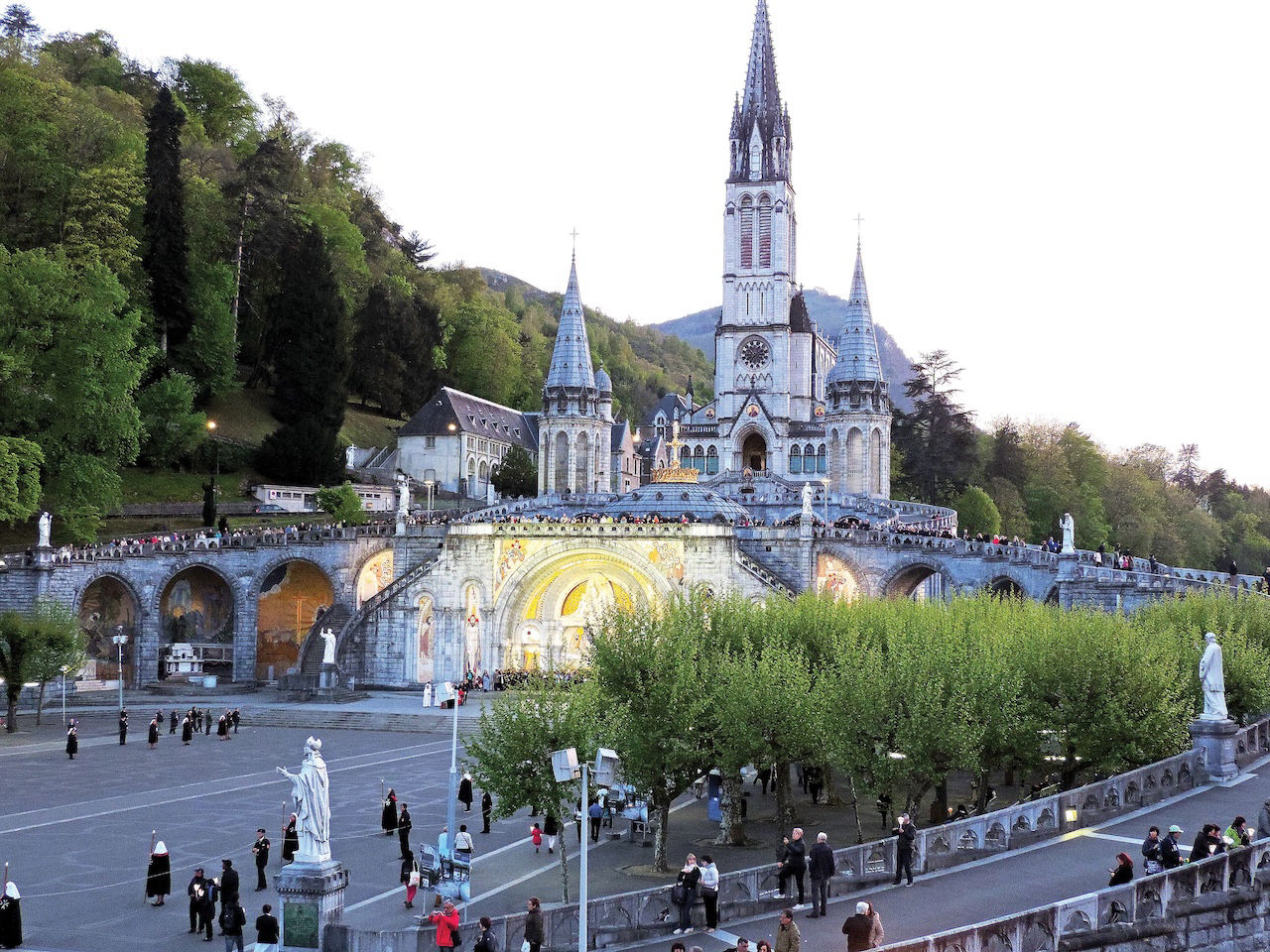
From sacred traditions to modern pilgrims, the journey to Lourdes continues to evolve while keeping its soul intact.
For more than a century and a half, pilgrims from every corner of the globe have journeyed to Lourdes, a once quiet Occitan town in southwestern France, drawn by the promise of healing waters and a deeply spiritual encounter. Nestled at the foothills of the Pyrenees, Lourdes is a place where faith, history, and human longing converge.
Today, Lourdes remains one of the most visited pilgrimage sites in the world—yet it is not simply defined by its past. It continues to evolve, quietly adapting to the needs of modern pilgrims while preserving the sacred atmosphere that has drawn millions for generations.
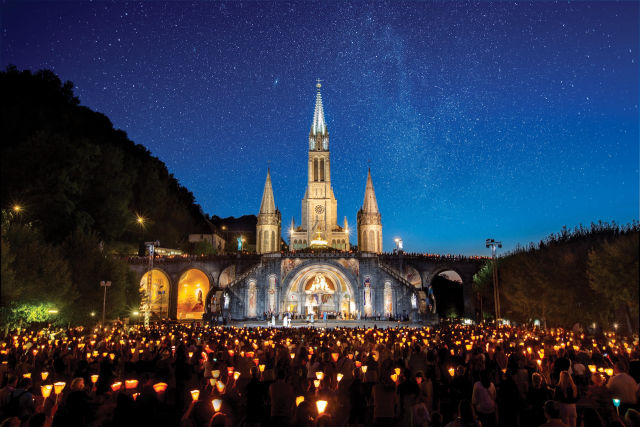
Lourdes reveals itself gently. Cobblestoned streets lined with cafés and religious shops lead toward a skyline dominated by basilicas that rise like prayers in stone. Watching over the town is the historic Château Fort de Lourdes, a reminder of its ancient past.
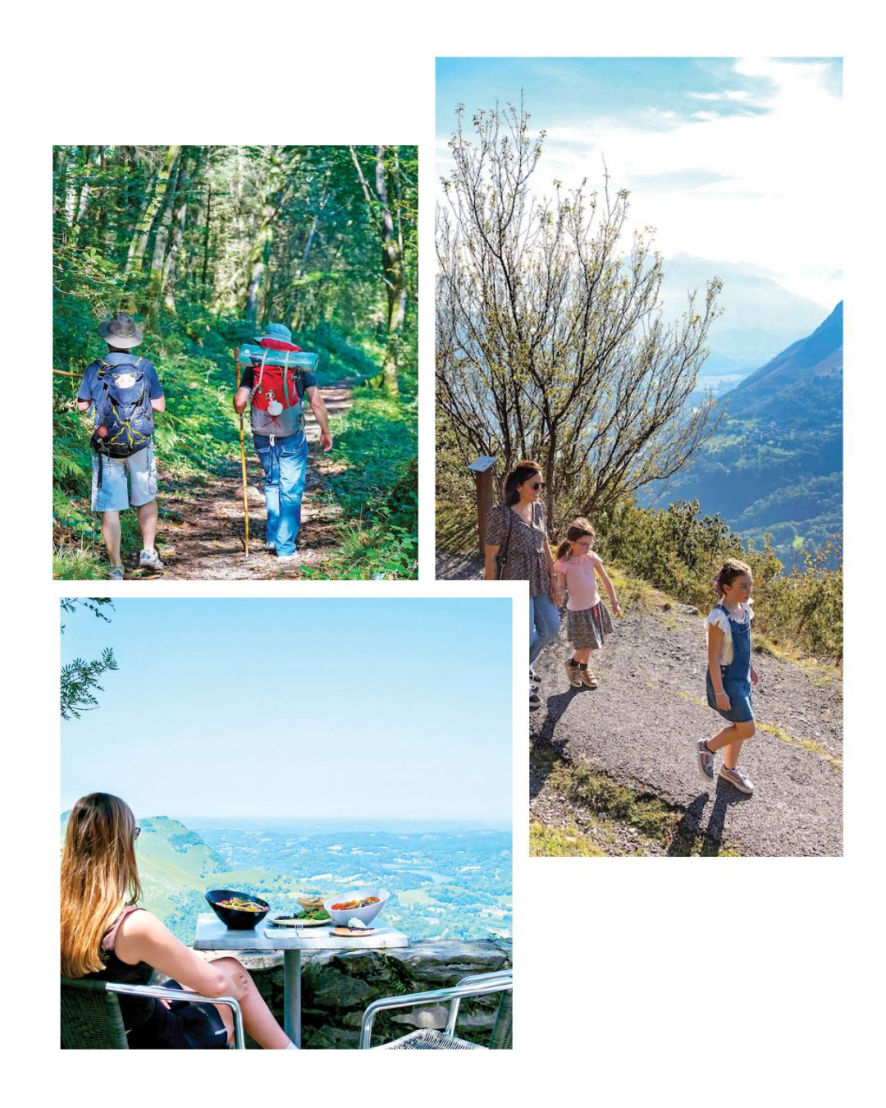
From Pic du Jer, visitors can take in sweeping views of the surrounding valleys and mountains. At night, the illuminated cross above the peak casts a quiet glow over the town below.
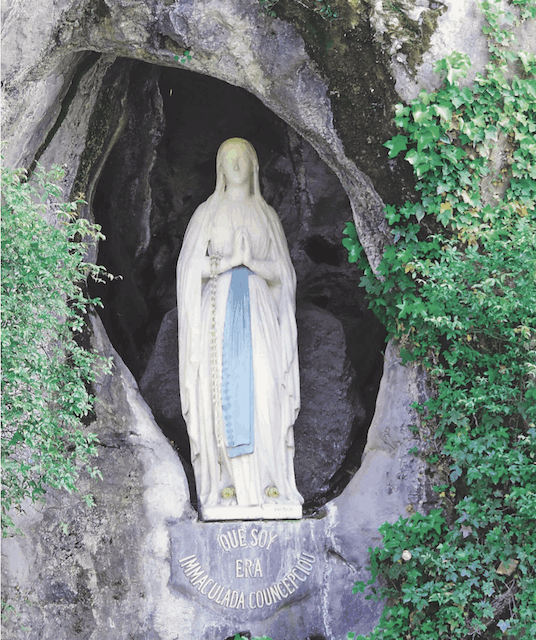
Running through Lourdes is the Gave de Pau, guiding pilgrims toward the sacred site that defines the town: the Massabielle Grotto.
It was here in 1858 that Bernadette Soubirous, a 14-year-old girl from a poor family, experienced 18 apparitions of the Virgin Mary. Her life, shaped by hardship, would become intertwined with one of the most significant spiritual events in modern Catholic history.
During one apparition, Bernadette was instructed to dig into the ground. From that simple act emerged a spring that continues to flow to this day.
Though initially met with skepticism, her visions were later recognized by the Catholic Church. Lourdes was transformed—from a quiet town into a global pilgrimage destination, drawing millions in search of healing and hope.
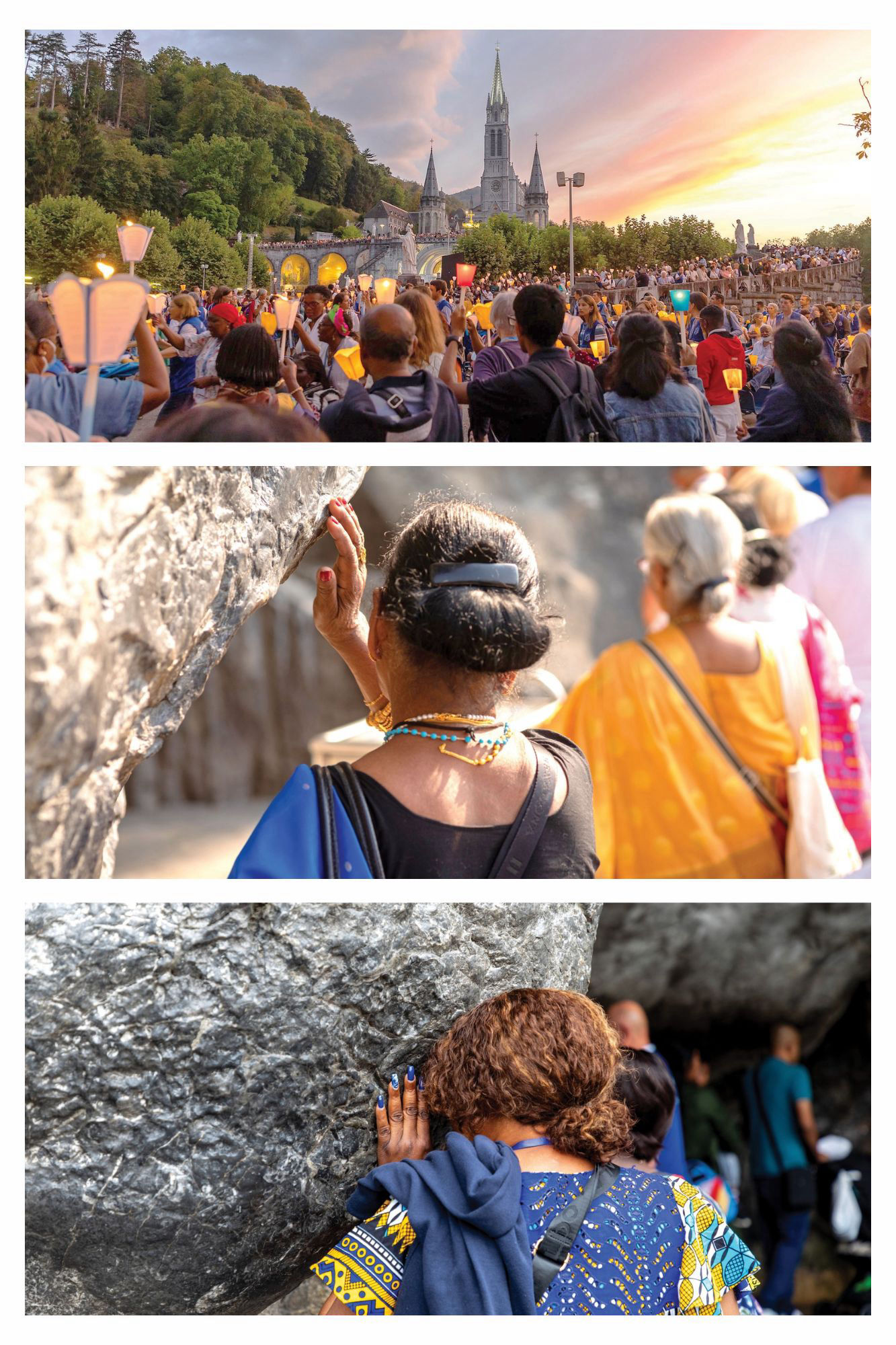
At the heart of Lourdes lies the Sanctuary of Our Lady of Lourdes, a vast complex that continues to welcome pilgrims year-round.
Its landmarks reflect both history and devotion. The Basilica of the Immaculate Conception Lourdes rises above the grotto, its stained-glass windows recounting the story of the apparitions. Nearby, the Basilica of Our Lady of the Rosary Lourdes is adorned with intricate mosaics, while the immense Basilica of Saint Pius X Lourdes accommodates tens of thousands of worshippers.
Across the river, the Church of Saint Bernadette Lourdes marks the site where Bernadette first saw the apparition.
Yet beyond its architecture, the sanctuary is not static. It is shaped daily by the people who come—each carrying their own stories, hopes, and prayers.
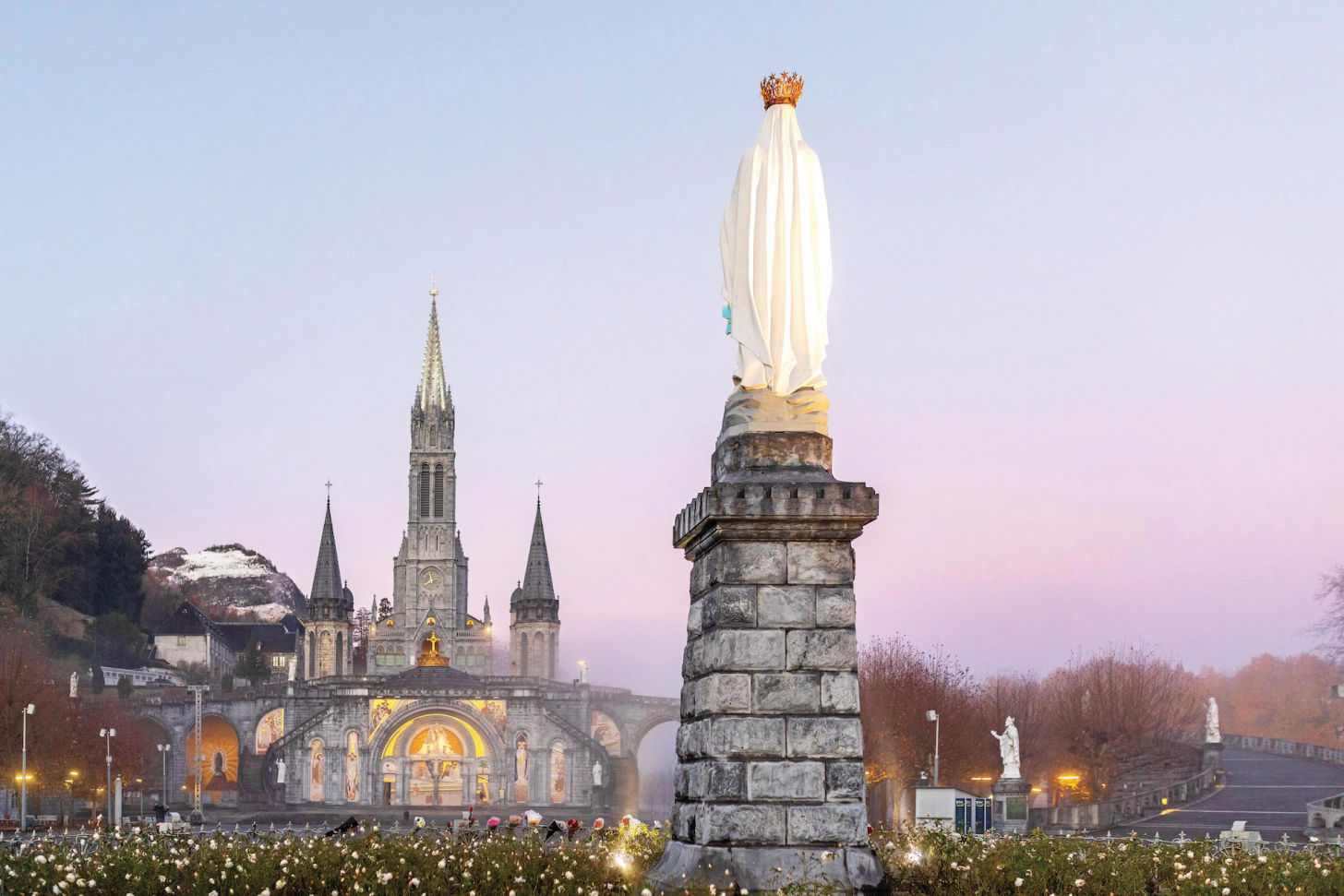
Following the global pause brought about by the pandemic, Lourdes is once again alive with pilgrims.
The rector of the sanctuary, appointed by Bishop Jean-Marc Micas, describes this moment as both emotional and hopeful.
“Pilgrims are returning in large numbers,” he shares. “Many are deeply moved simply by seeing crowds again—something they had not experienced for several years.”
Pilgrimage groups from Europe, Asia, and Latin America have returned, restoring the vibrant and communal atmosphere that defines Lourdes.
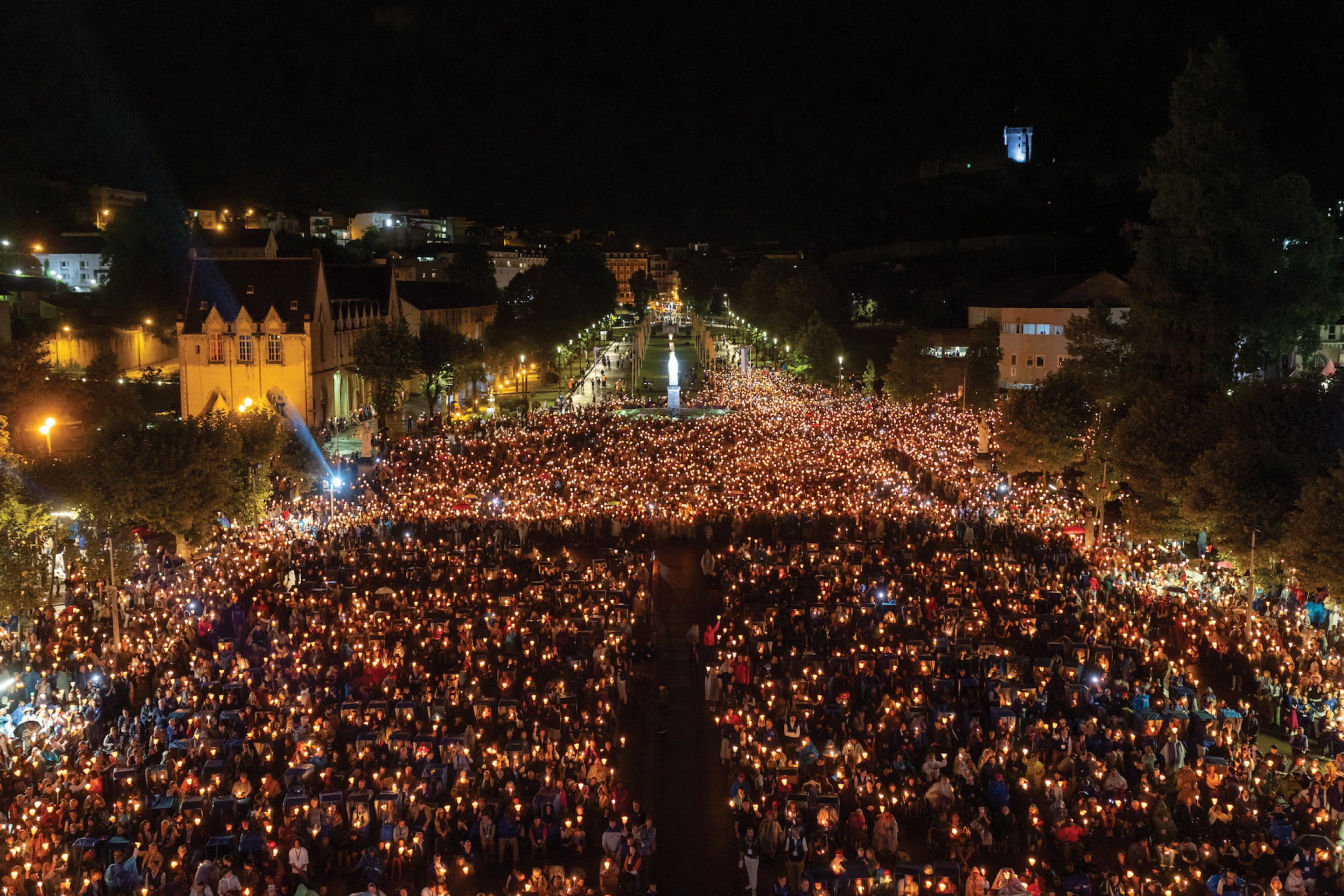
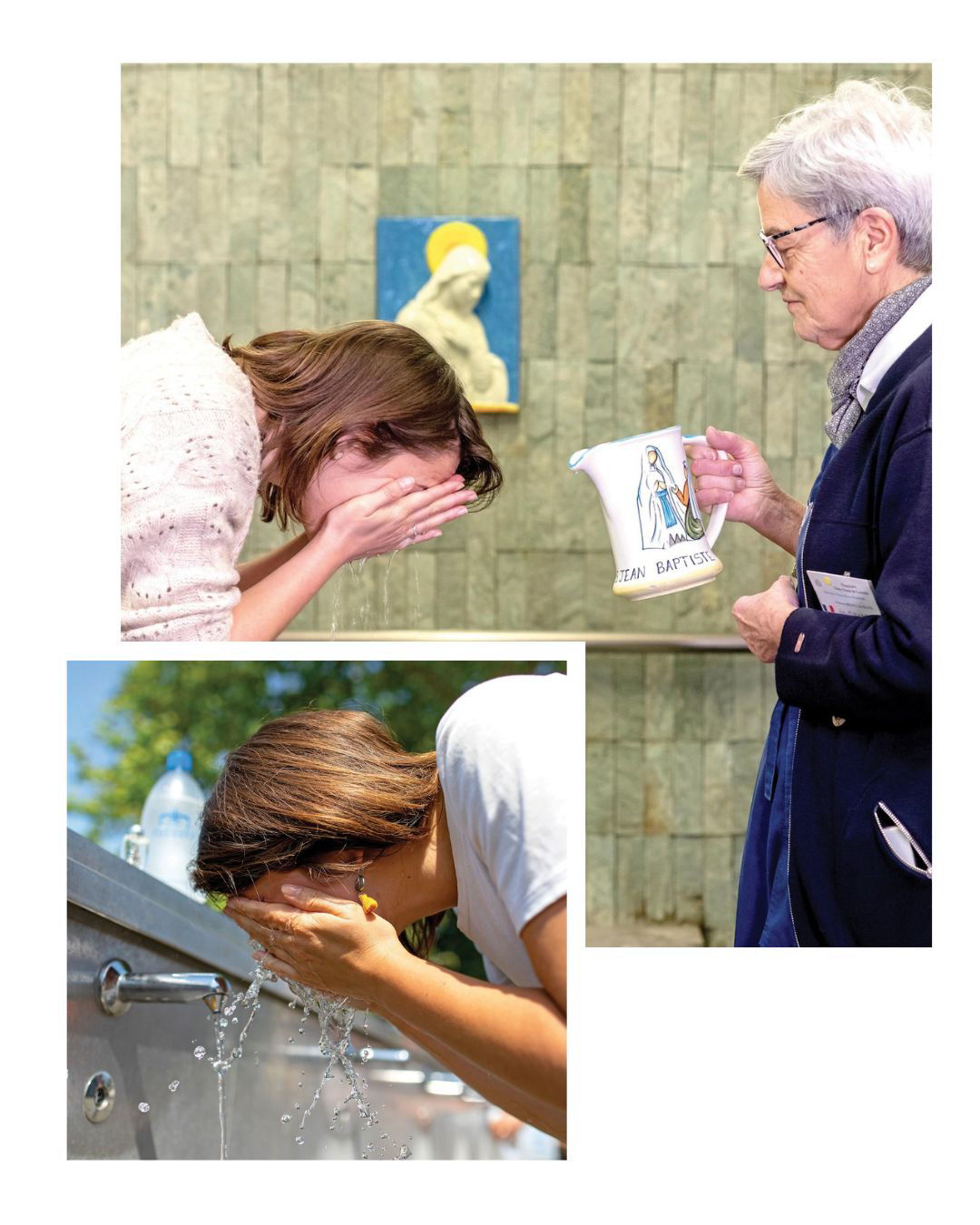
One of the most visible changes in Lourdes today concerns the bathing ritual.
For generations, immersion in the spring water has been a central act of faith. However, recent health considerations have required adjustments.
“The gesture of washing or immersion is central,” the rector explains. “But after Covid, it has become more complex.”
Today, while full immersion is gradually being reintroduced, many pilgrims take part through simpler gestures such as washing their hands or face with the water. Efforts continue to make access easier while preserving the spiritual meaning of the ritual.
These adaptations reflect Lourdes’ ability to evolve while remaining faithful to its origins.
At its core, Lourdes is defined by care.
“Our sanctuary exists to serve pilgrims,” the rector emphasizes, “especially the sick and the most vulnerable.”
Each day, thousands of volunteers, caregivers, and medical professionals assist pilgrims. Wheelchairs are pushed, hands are held, and quiet acts of kindness unfold throughout the sanctuary.
This culture of compassion is what makes Lourdes unique. For many visitors, it is not a physical cure that leaves the deepest impact, but the experience of being cared for.
“There are healings of the heart and soul every day,” the rector adds.
The spring discovered by Bernadette remains the spiritual heart of Lourdes. Pilgrims continue to drink from it, bathe in it, and bring it home to loved ones.
Scientifically, the water is pure and ordinary. Yet its meaning transcends analysis.
The International Medical Committee of Lourdes has officially recognized around 70 miraculous cures. Still, countless others remain deeply personal, quiet stories of renewal and hope.
As reflected in earlier accounts, what makes Lourdes special is not the water itself, but the experience of being there.
Lourdes continues to resonate far beyond France. The rector recalls visits to countries such as the Philippines, where devotion to Our Lady of Lourdes remains strong.
These global connections highlight the universal message of Lourdes, one of compassion, faith, and hope that transcends borders.
For those who come, Lourdes is not simply a place. It is an encounter, one that often stays long after the journey ends.

AI Website Maker